
Cart 0

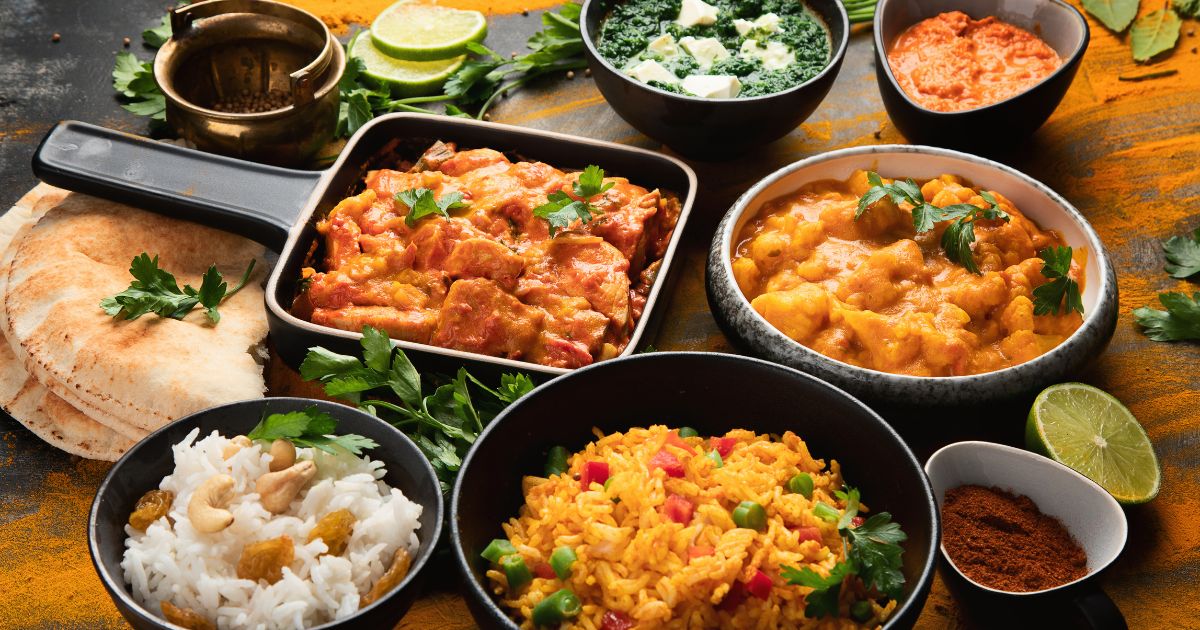
What you'll learn: Why most Indian diets accidentally worsen PCOS, which everyday Indian foods are secretly PCOS-friendly, what to swap and what to avoid, how cooking methods affect your hormones, a practical 7-day Indian meal plan, how to order PCOS-friendly food at restaurants, and how to combine diet with the right supplementation for faster results.
70%
of PCOS symptoms improve with diet alone
5–10%
weight loss restores ovulation in most women
3 wks
for most women to feel the first improvements
You've been told to "eat healthy" and "lose weight." You've probably tried. And you've probably found that the usual advice — cut carbs, eat salads, hit the gym — doesn't quite work the way it's supposed to when you have PCOS.
That's not a failure on your part. It's a failure of the advice.
PCOS isn't a simple calorie problem. It's a hormonal and metabolic condition rooted in insulin resistance — and that changes everything about how your body responds to food. What works for a woman without PCOS can actively make your symptoms worse. And the typical Indian diet, with its rice, roti, and sweetened chai, can be either your best tool or your biggest obstacle — depending entirely on how you approach it.
The good news? You don't need to give up dal, ditch roti, or eat like a European to manage PCOS. In my clinic at PCOD House, I have guided 500+ Indian women through this — and the answer is always the same: work with Indian food, not against it. Just smarter.
Here's exactly how.
📖 New to PCOS? Read our article on PCOS symptoms in Indian women first — understanding your symptoms helps you understand why specific foods affect you the way they do.
📋 In This Article
- Why Food Matters So Much in PCOS
- The Best Indian Foods for PCOS
- Foods That Make PCOS Worse
- GI Reference Guide for Common Indian Foods
- Smart Indian Food Swaps
- How Cooking Methods Affect Your PCOS
- 7-Day Indian Meal Plan for PCOS
- What a Real PCOS Day Looks Like
- A Note for Lean Women with PCOS
- 5 Eating Habits That Matter as Much as Food
- PCOS-Friendly Restaurant Ordering Guide
- When Diet Alone Isn't Enough
- Frequently Asked Questions
Why Food Matters So Much in PCOS
Before we get to the meal plan, it's worth understanding why food has such a dramatic impact on PCOS — because once you understand the mechanism, the food rules stop feeling arbitrary and start making complete sense.
At the root of most PCOS in Indian women is insulin resistance. Your body produces insulin normally, but your cells don't respond to it properly. So the pancreas compensates by producing more and more insulin to get the job done.
Here's the problem: high insulin directly stimulates the ovaries to produce androgens — testosterone and DHEAS. These are the hormones responsible for your acne, your excess facial hair, your hair fall, and your disrupted ovulation. High insulin also signals your body to store fat, especially around the belly.
According to the International Evidence-Based PCOS Guidelines (2023) — the global clinical standard that governs PCOS treatment — lifestyle intervention including diet is the recommended first-line treatment for most women with PCOS. Not medication. Diet and lifestyle first.
High-GI food → Blood sugar spike → Insulin surge → More androgens produced → Disrupted ovulation, acne, hair issues, belly fat → Repeat
Breaking this cycle consistently — through food — is how most Indian women with PCOS see their first real improvements. In my clinical experience, women who commit to dietary changes for 8 weeks consistently report improvements in energy, skin, and bloating well before their next period arrives.
💡 Not sure if insulin resistance is behind your PCOS? Visit PCOD House to take the free PCOD self-check, or speak to Dr. Bhargavi on WhatsApp for a personalised assessment.
The Best Indian Foods for PCOS
Here's what most articles miss: Indian food is naturally rich in PCOS-friendly ingredients. The problem isn't Indian cuisine itself — it's how modern urban Indian eating has drifted away from the traditional foods that actually supported hormonal health. Millets, dals, leafy greens, fermented foods — these are deeply Indian and deeply helpful for PCOS.
Millets — Your Best Carbohydrate Source
Ragi, jowar, bajra, and foxtail millet have significantly lower glycaemic indexes than white rice or maida. They are rich in fibre, magnesium, and B vitamins — all of which support insulin sensitivity. In my clinic, switching one rice or wheat meal per day to millet is one of the first and most impactful changes I recommend. Most women notice a difference in bloating and energy within two weeks of making this swap consistently.
Dals and Legumes — Don't Reduce These
Moong dal, masoor dal, chana, rajma, and all sprouts are among the best foods for PCOS. They are high in protein, low GI, and anti-inflammatory. Many Indian women reduce dals thinking they're "heavy" — please don't. Protein is your most powerful tool for stabilising blood sugar and reducing insulin spikes after meals. Sprouts especially are worth adding daily — high protein, low carbohydrate, and very easy to prepare.
Leafy Greens and Vegetables
Palak, methi, moringa (drumstick leaves), amaranth — these are specifically beneficial for PCOS because they contain iron (critical for women with heavy periods), folate, and antioxidants that reduce the chronic low-grade inflammation that drives PCOS. Aim to fill at least half your plate with vegetables at every meal.
Healthy Fats
Contrary to what you may have heard, fat is not the enemy in PCOS — the wrong kind of fat is. Ghee in small amounts (1 tsp), coconut oil, nuts (almonds, walnuts), seeds (flaxseeds, chia, pumpkin), and avocado all support hormone production and reduce inflammation. Healthy fats also slow down the absorption of carbohydrates, significantly blunting the insulin spike.
Fermented Foods
Curd (dahi), chaas (buttermilk), and fermented idli/dosa batter are natural probiotics that support gut health — and emerging research consistently links a healthy gut microbiome to better insulin sensitivity and reduced PCOS symptoms. A small bowl of plain, unsweetened curd at lunch daily is one of the simplest and most effective habits for Indian women with PCOS.
Anti-Inflammatory Spices
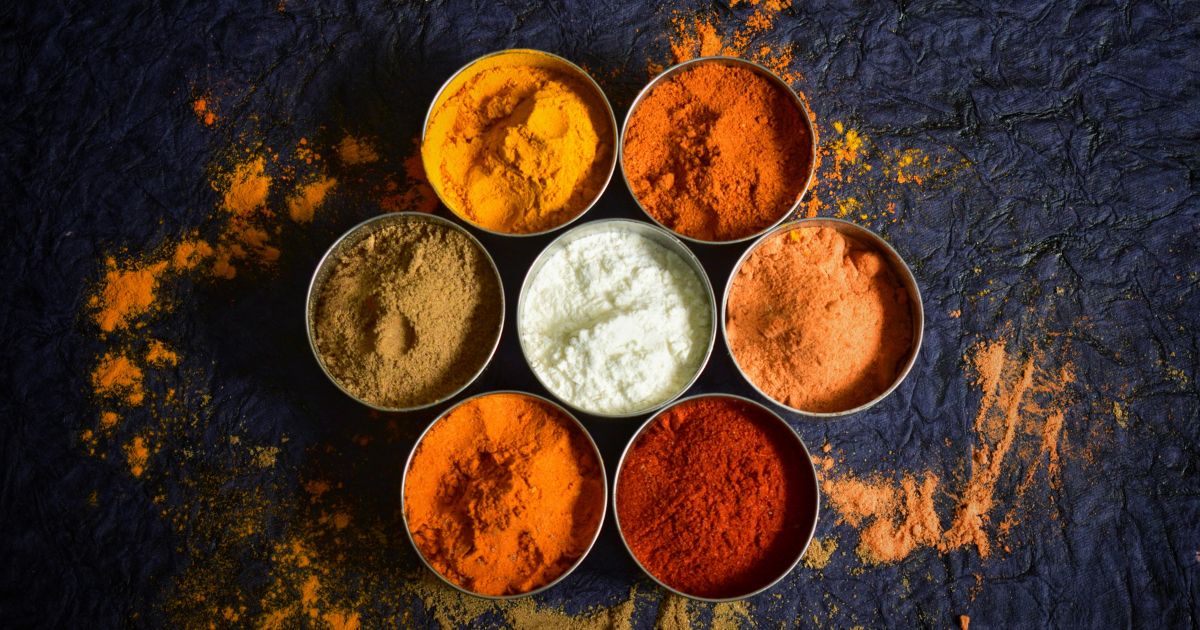
Your Indian kitchen is already stocked with some of the most powerful PCOS-supportive compounds in the world. Turmeric reduces androgen activity. Methi seeds improve insulin sensitivity and have been used in Indian homes for centuries — with science now firmly backing this up. Jeera aids digestion and reduces bloating. Dalchini (cinnamon) lowers fasting glucose. These should feature regularly in your cooking — not as supplements, but as everyday ingredients.
Foods That Make PCOS Worse
These aren't foods to eliminate forever — but they are foods to significantly reduce, especially in the first 3 months while you're working to bring insulin resistance under control.
✅ Eat More Of
- Ragi, jowar, bajra rotis
- Brown rice or millets instead of white rice
- All dals and legumes
- Leafy greens — palak, methi, moringa
- Eggs, paneer, chicken, fish
- Nuts and seeds — almonds, flax, chia
- Plain curd and chaas
- Ghee (1 tsp), cold-pressed mustard oil
- Turmeric, jeera, methi, dalchini
- Green tea, spearmint tea, jeera water
- Low-GI fruits — apple, pear, guava, papaya
- All vegetables, especially cruciferous ones
❌ Reduce Significantly
- White rice in large portions
- Maida — white bread, naan, biscuits, samosas
- Sweetened chai and coffee
- Packaged fruit juices
- Cold drinks and sodas
- Fried snacks — pakoras, chips, bhujia
- Sweetened yogurts and flavoured milk
- Sugar and jaggery in large amounts
- Processed breakfast cereals
- Mango, banana, grapes, watermelon in large amounts
- Red meat in excess
- Alcohol
Important note on rice: Rice is not forbidden. Switching to smaller portions, pairing rice with protein and sabzi, choosing brown rice or millet, or cooling cooked rice before eating — which increases resistant starch and lowers GI — are all practical solutions that let you keep rice in your diet without the insulin spike.
GI Reference Guide for Common Indian Foods
The Glycaemic Index (GI) measures how quickly a food raises your blood sugar. For PCOS, you want to choose low-GI foods most of the time. Here's a practical reference table for the Indian foods you actually eat — so you can make informed choices without overthinking every meal.
| Food | GI Rating | PCOS Verdict |
|---|---|---|
| Ragi (finger millet) | Low (54) | ✅ Excellent — eat freely |
| Jowar / Bajra roti | Low (55–62) | ✅ Excellent — eat freely |
| Moong dal | Low (38) | ✅ Excellent — eat freely |
| Chana (chickpeas) | Low (28) | ✅ Excellent — eat freely |
| Rajma (kidney beans) | Low (29) | ✅ Excellent — eat freely |
| Brown rice | Medium (68) | ⚠️ Good — eat in smaller portions |
| Whole wheat roti (1–2) | Medium (62) | ⚠️ Fine — pair with protein |
| Oats (plain) | Medium (55) | ⚠️ Good — avoid instant oats |
| Banana | Medium (51–65) | ⚠️ Limit — eat with nuts |
| White rice (large portion) | High (72–89) | ❌ Reduce — pair with dal and sabzi |
| White bread / Maida naan | High (71–85) | ❌ Avoid where possible |
| Potato (boiled) | High (78) | ❌ Limit — eat cold or with sabzi |
| Packaged fruit juice | High (75+) | ❌ Avoid — eat whole fruit instead |
| Mango (large portion) | High (56–60) | ❌ Limit — small portions only |
Key insight: GI is not fixed — how you prepare and combine foods changes it. Cold rice has lower GI than hot rice. Rice eaten with dal has lower GI than rice eaten alone. Adding a tablespoon of ghee or a bowl of curd alongside high-GI food significantly blunts the spike.
Smart Indian Food Swaps That Actually Work
You don't need a completely new diet. You need smarter versions of what you already eat. These swaps are practical, affordable, and make a real difference to insulin levels:
Sweetened chai (2–3 cups a day)
→
Unsweetened chai with dalchini, or spearmint tea
Spearmint has proven anti-androgenic properties. Dalchini helps lower fasting glucose. Both are already in most Indian kitchens.
Poha or white bread toast for breakfast
→
Besan chilla, moong dal chilla, or 2-egg vegetable omelette
A protein-first breakfast stabilises blood sugar for the entire day, reducing insulin spikes at subsequent meals.
White rice as the base of every meal
→
Smaller portion of rice + more dal and sabzi, or ragi/jowar roti
Millets have 10x the fibre of white rice. Adding more dal to the plate increases protein and significantly blunts the glucose response.
Biscuits or namkeen as snacks
→
Handful of mixed nuts, boiled chana, or moong sprouts
These snacks provide protein and fibre that keep you full without spiking insulin, preventing the crash-and-craving cycle.
Packaged fruit juice or large portions of mango/banana
→
Whole apple, guava, pear, or papaya
Whole fruit contains fibre that slows sugar absorption. Juice removes fibre entirely, making it essentially sugar water for your bloodstream.
Cooking with refined sunflower oil
→
Cold-pressed mustard oil, coconut oil, or small amounts of ghee
Refined oils are high in omega-6 fatty acids which promote inflammation. Mustard oil and ghee have better fatty acid profiles for hormonal health.
How Cooking Methods Affect Your PCOS
This is something almost no PCOS diet article talks about — but I consider it essential. The same food can have a very different effect on your insulin depending on how it is cooked. Here's what to know for your Indian kitchen:
Steaming
Idli, dhokla, steamed momos — preserves nutrients without adding fat. Lowest GI impact of all cooking methods. Best for breakfast foods.
Pressure Cooking Dal
Pressure-cooked dals retain more protein and fibre than boiled dals. The higher fibre content slows glucose absorption significantly.
Dry Roasting Spices
Roasting jeera, methi, and dalchini before adding to food activates their insulin-sensitising compounds. A small step with real hormonal benefit.
Cooling Cooked Rice
Cooling rice after cooking increases resistant starch — which your gut bacteria ferment instead of absorbing as glucose. Leftover rice is genuinely better for PCOS than freshly cooked hot rice.
Deep Frying
Deep frying dramatically increases calorie density and oxidises oils at high heat, creating inflammatory compounds. Samosas, pakoras, and puri are occasional treats — not daily foods.
Overcooking Vegetables
Overcooking destroys fibre and raises the GI of vegetables. Lightly stir-frying or steaming vegetables preserves the fibre that slows glucose absorption.
One practical tip from my clinic: Make a large batch of pressure-cooked dal at the start of the week. Eat it at lunch and dinner daily. This single habit — consistent dal consumption — makes a measurable difference to insulin sensitivity within 4 to 6 weeks.
Want a diet plan built specifically for your PCOS type?
I create personalised plans based on your symptoms, bloodwork, and lifestyle — not generic advice that ignores your individual hormonal pattern.
7-Day Indian Meal Plan for PCOS
This meal plan is built around low-GI foods, adequate protein at every meal, and healthy fats — using Indian ingredients you can find in any kitchen. It is not a calorie-counting plan. The goal is hormonal balance, not deprivation.
Key principle: Every meal should have protein + fibre + healthy fat. This combination is what prevents insulin spikes.
| Day | Breakfast | Lunch | Snack | Dinner |
|---|---|---|---|---|
| Mon | 2 besan chillas + small bowl curd | 1 jowar roti + palak dal + cucumber salad | 10 almonds + spearmint tea | Moong dal khichdi (small) + stir-fried vegetables |
| Tue | 2-egg vegetable omelette + 1 multigrain toast | Brown rice (½ cup) + rajma + mixed sabzi | Boiled chana with lemon and jeera | 2 ragi rotis + methi sabzi + curd |
| Wed | Ragi porridge with nuts + 1 boiled egg | 2 bajra rotis + chana dal + raw salad | Moong sprouts with chaat masala | Grilled paneer (100g) + stir-fried spinach + curd |
| Thu | Moong dal chilla (2) + chaas | Quinoa pulao with vegetables + masoor dal | Handful of walnuts + green tea | 2 jowar rotis + bhindi sabzi + dal tadka |
| Fri | Oat upma with vegetables + 1 boiled egg | 1 bajra roti + paneer bhurji + salad | Apple with 1 tbsp peanut butter | Egg curry (2 eggs) + 1 ragi roti + sautéed greens |
| Sat | Ragi dosa (2) + sambar + small bowl curd | Brown rice (½ cup) + fish curry + stir-fried beans | Roasted pumpkin seeds + spearmint tea | Palak paneer + 1 multigrain roti + chaas |
| Sun | Paneer bhurji + 1 multigrain roti | Millet pulao + kadhi (curd-based) + salad | Guava or papaya (1 bowl) | Vegetable soup + 2 besan rotis + small bowl curd |
Daily non-negotiables:
- Soak 1 tsp methi seeds overnight — drink the water first thing in the morning
- Walk for 10 minutes after every main meal
- Drink 2.5 to 3 litres of water through the day
- Have dinner before 8 PM
- Add ½ tsp dalchini to your morning warm water or chai
What a Real PCOS Day Looks Like
Meal plans look good on paper but can feel abstract. Here's exactly what a well-managed PCOS day looks like in practice — not a perfect day, but a real and sustainable one:
6:30 AM
Wake Up — Methi Water
Drink the water from overnight-soaked methi seeds. Follow with a glass of warm water with ½ tsp dalchini and a squeeze of lemon. This combination sets your insulin sensitivity for the day before you eat anything.
8:00 AM
Breakfast — Protein First
2 besan chillas made with vegetables (onion, spinach, tomato), cooked in ½ tsp mustard oil. Small bowl of plain curd on the side. Unsweetened chai with dalchini. This breakfast will keep your blood sugar stable for 3 to 4 hours.
8:15 AM
Post-Breakfast Walk
10 minutes of walking — around the block, on a terrace, or even in your home. This single habit reduces post-meal glucose spikes by up to 30%. You don't need a gym for this.
11:00 AM
Mid-Morning Snack
10 to 12 almonds and a cup of spearmint tea. This small snack prevents your blood sugar from dipping too low before lunch, which would trigger a cortisol spike and craving for high-GI foods.
1:00 PM
Lunch — The Most Important Meal
Start with salad and dal first, then eat your roti or rice. 1 jowar roti + pressure-cooked moong dal + bhindi sabzi + small bowl of curd. Eat slowly. This sequence — protein and fibre before carbs — significantly blunts the insulin response.
1:15 PM
Post-Lunch Walk
Another 10-minute walk. If you're at an office, even a short walk to the water cooler and back repeatedly counts. Movement after eating is non-negotiable for PCOS insulin management.
4:30 PM
Evening Snack
Boiled chana with lemon, jeera, and green chilli. Or moong sprouts. Or a small bowl of curd with flaxseeds. Avoid chai with sugar at this time — this is when most women reach for a biscuit and chai, which creates an insulin spike at the worst time of day.
7:30 PM
Dinner — Light and Early
2 ragi rotis + palak dal + a small bowl of curd. Finish by 8 PM. Eating dinner early allows your body to process the meal before insulin sensitivity naturally drops overnight. Late dinners are one of the most common PCOS mistakes I see in my clinic.
10:00 PM
Sleep — The Underrated Treatment
Lights out by 10 PM. Even one night of poor sleep raises fasting insulin the next morning. Sleep is not a lifestyle choice in PCOS management — it is a clinical requirement. Aim for 7 to 8 hours consistently.
A Note for Lean Women with PCOS
Almost every PCOS diet article assumes you have weight to lose. But roughly 20% of women with PCOS are at a normal or low body weight — and they are routinely excluded from diet advice that focuses entirely on weight loss. If this is you, this section is specifically for you.
Lean PCOS is just as real and just as hormonally disruptive as any other type. The insulin resistance may be less pronounced, but androgen excess and cycle disruption are still present. Diet still matters — the approach just needs adjusting.
For lean women with PCOS, the diet focus shifts from:
- Weight loss → to hormonal balance and cycle regularity
- Calorie reduction → to adequate calories with better food quality
- Carb restriction → to carb quality (low-GI choices, not less carbs)
- Avoiding fats → to including healthy fats generously for hormone production
In particular, lean women with PCOS should not skip meals, restrict calories aggressively, or follow keto diets — all of which can raise cortisol and worsen hormonal imbalance in women who are already at a healthy weight. Adequate protein (25–30g per meal) and consistent eating every 3 to 4 hours are especially important.
👩⚕️ Lean PCOS requires a different management approach than standard PCOS. At PCOD House, Dr. Bhargavi tailors the diet and supplement plan to your specific PCOS type — not a generic protocol. Book a consultation on WhatsApp →
5 Eating Habits That Matter as Much as Food
What you eat matters — but how you eat matters almost as much for PCOS. These five habits are often overlooked but make a significant difference to insulin sensitivity and hormonal balance.
Eat Within a 10–12 Hour Window
Finish your last meal by 8 PM and have breakfast by 8–9 AM. This simple time-restricted eating pattern improves insulin sensitivity without any calorie restriction.
Protein First, Carbs Last
Eat protein and vegetables first in every meal, then carbohydrates. Studies show this sequence alone reduces the glucose spike by up to 30%.
Walk After Every Meal
Even a 10-minute walk after eating significantly blunts the post-meal insulin spike. You don't need a gym — just movement after food.
Never Skip Meals
Skipping meals — especially breakfast — raises cortisol, which directly worsens insulin resistance. Eat every 3–4 hours to keep blood sugar stable.
Sleep 7–8 Hours
Poor sleep is one of the most underrated drivers of insulin resistance. Even one night of bad sleep raises fasting insulin the next morning. Sleep is non-negotiable in PCOS management.
PCOS-Friendly Restaurant Ordering Guide
Real life includes eating out. Whether it's a family lunch at a dhaba, ordering in on a busy evening, or eating at a South Indian restaurant — you can make PCOS-friendly choices without being the person who refuses everything on the menu.
North Indian Restaurant / Dhaba
- Order dal tadka or dal makhani — high protein, filling
- Choose tandoori roti over naan (no maida)
- Ask for paneer or chicken sabzi, not creamy gravies
- Request raita instead of dessert
- Skip the free bread basket entirely
- Avoid: butter naan, biryani (large portions), kulfi, gulab jamun
South Indian Restaurant
- Idli with sambar is one of the best restaurant meals for PCOS
- Choose pesarattu (moong dal dosa) if available
- Sambar is excellent — lentil-based, low GI, high protein
- Opt for rasam over sweetened drinks
- Avoid: sweet pongal, large portions of plain dosa, sweetened coconut chutney
- Plain dosa is fine — avoid ghee-loaded masala dosa in large portions
Ordering Food Online
- Choose grilled over fried options always
- Dal + sabzi + roti combos are widely available and PCOS-friendly
- Add an extra protein item — boiled egg, paneer tikka, grilled chicken
- Avoid: pizza, burgers, pasta, fried rice, Chinese hakka noodles
- Request no extra butter or cream when ordering curries
- Skip the dessert entirely — order fruit if you want something sweet
Weddings and Functions
- Eat a small protein snack before you go — this prevents overeating
- Fill your plate with salad and dal first
- Take smaller portions of rice and sweets — don't avoid, just reduce
- Choose tandoori items over fried ones at the starter table
- Drink water or chaas — avoid cold drinks and packaged juice
- One small piece of mithai is fine — three is not
When Diet Alone Isn't Enough
Diet is the foundation of PCOS management — but for many women, particularly in the first few months, diet alone doesn't fully address the hormonal imbalance. This is where targeted supplementation that works alongside your diet — not instead of it — can make a meaningful difference.
At PCOD House, I use an AM/PM protocol that mirrors your body's natural metabolic rhythm:
The PCOD House AM–PM Protocol
PCOS requires round-the-clock metabolic support. Different hormonal processes happen during the day versus at night — which is why a single supplement taken once daily rarely delivers full results. The AM/PM approach addresses both windows.
☀️ Morning — With Breakfast
PCOS Trim
Targets daytime insulin resistance. Contains Myo-Inositol, Chromium, Banaba extract, and Green Tea extract to improve insulin signalling, reduce post-meal spikes, and support weight and cycle regularity — when insulin demand is highest.
🌙 Evening — With Dinner
Meta 7+
Targets overnight repair. Contains Ubiquinol CoQ10, NAC, Alpha Lipoic Acid, Resveratrol, Magnesium, and Omega-3 to reduce oxidative stress, improve mitochondrial function, and support hormonal restoration while you sleep.
Together as the PCOD/PCOS Reset Kit, they provide 24-hour metabolic support specifically formulated for Indian women — clinically backed ingredients, no harmful fillers, designed to amplify the results of your dietary changes.
🧪 Key nutrients most Indian women with PCOS are deficient in: Vitamin D (extremely common in India), B12, Magnesium, and Zinc. Ask Dr. Bhargavi to include these in your blood panel. WhatsApp for a consultation →
Frequently Asked Questions
Is rice completely off-limits in a PCOS diet? +
No — rice is not forbidden. The issue is large portions of white rice eaten alone without protein or fibre. Switch to smaller portions, pair rice with dal and sabzi, choose brown rice or millet for some meals, or try cooling cooked rice before eating which increases resistant starch and lowers the GI. You can enjoy rice as an Indian woman with PCOS — just more thoughtfully.
Is jaggery okay for PCOS instead of sugar? +
Jaggery is marginally better than refined sugar — it contains trace minerals and has a slightly lower GI. But it is still sugar and still raises insulin. Use it very sparingly — no more than 5 grams per day. It is not a free pass to sweeten everything. Stevia or small amounts of raw honey are better alternatives for PCOS. The goal is to retrain your palate away from needing sweetness, not to find a safer version of the same habit.
Can I eat mango with PCOS? +
Mango is not completely off-limits, but it is a high-GI fruit and should be eaten in small portions during PCOS management. One small slice (not an entire mango) eaten after a protein-rich meal is fine. Never eat mango on an empty stomach or as a standalone snack. During the first 3 months of dietary management, it is better to avoid mango entirely and reintroduce it in small amounts once your insulin sensitivity improves.
Is ghee good or bad for PCOS? +
Ghee is good for PCOS in small amounts — 1 teaspoon per meal. It contains butyrate, a short-chain fatty acid that reduces gut inflammation and supports insulin sensitivity. It also slows carbohydrate absorption when eaten alongside rice or roti, lowering the GI of the meal. The problem arises with excess — 3 to 4 teaspoons of ghee per meal adds significant saturated fat without proportional benefit. Use ghee as a flavour enhancer, not a main cooking medium.
Can I eat roti with PCOS? +
Yes, especially if you switch to jowar, bajra, or ragi rotis. Even multigrain wheat roti is significantly better than maida. The key is portion size and pairing — one or two rotis with a protein-rich sabzi or dal is perfectly fine. The problem arises when roti is eaten alone in large quantities without any accompanying protein or vegetables.
How long does a PCOS diet take to show results? +
Most women begin noticing improvements in energy, bloating, and skin within 2 to 3 weeks. Weight loss and more noticeable hormonal improvements typically appear after 6 to 8 weeks of consistent eating. Period regulation generally takes 3 to 6 months. The most important thing is consistency — a PCOS diet works cumulatively, not overnight.
Can a vegetarian Indian woman manage PCOS through diet? +
Absolutely. Indian vegetarian food is actually very well-suited to PCOS management — dals, paneer, curd, eggs if ovo-vegetarian, nuts, seeds, and legumes provide excellent protein. The key is to prioritise protein at every meal rather than relying on carbohydrates alone. A well-planned vegetarian Indian PCOS diet is just as effective as one that includes meat.
Should I avoid dairy completely with PCOS? +
Not necessarily. Full-fat milk and flavoured dairy products can worsen androgen levels in some women with PCOS. However, plain curd and chaas are generally well-tolerated and actively beneficial due to their probiotic content. Low-fat paneer is also usually fine in moderate amounts. If you notice that dairy worsens your acne or other symptoms, reduce it and reach out to me for alternatives specific to your pattern of PCOS.
Is a keto or low-carb diet good for PCOS? +
Keto can produce short-term results for some women with PCOS, particularly those who are significantly insulin resistant. However, it is not recommended for long-term use in Indian women because it is culturally unsustainable, can increase cortisol which worsens PCOS, and eliminates many beneficial plant foods like dals and legumes. A low-GI diet with adequate protein is more effective and far more sustainable for Indian women.
Clinical References & Guidelines
- International Evidence-Based Guideline for the Assessment and Management of PCOS (2023) — Monash University & ESHRE
- Federation of Obstetric and Gynaecological Societies of India (FOGSI) — PCOS Clinical Practice Guidelines
- Insulin Resistance in PCOS: Pathophysiology, Diagnosis and Management — Journal of Clinical Endocrinology (2022)
- Glycaemic Index and Hormonal Response in Women with PCOS — Diabetes Care (2021)
- Dietary Patterns and PCOS in South Asian Women — Nutrients Journal (2023)
⚕️ Medical Disclaimer
This article is written for informational purposes only and is not a substitute for professional medical advice, diagnosis, or treatment. PCOS is a medical condition that varies significantly between individuals. The dietary recommendations in this article are general guidelines based on clinical evidence and should be adapted to your individual health profile by a qualified healthcare professional. If you have diabetes, kidney disease, thyroid conditions, or are pregnant, please consult your doctor before making significant dietary changes. Always seek the advice of your physician or a qualified health provider with any questions you may have regarding your medical condition.
Your PCOS Can Be Managed — Starting Today
Diet is the single most powerful tool you have. Pair it with the right guidance and you will see results faster than you think.