Cart 0

What you'll learn: The 9 PCOS symptoms most commonly missed in Indian women, why they're so frequently overlooked, how PCOS is properly diagnosed, and what you can do today — based on my clinical experience at PCOD House.
1 in 5
Indian women affected by PCOS
2+ yrs
Average time to get a correct diagnosis
70%
of women with PCOS go undiagnosed globally
You've been told your periods are "just a little irregular." Your doctor glanced at your bloodwork and said everything looks "mostly fine." You're tired all the time, your skin keeps breaking out, and you've gained weight even though nothing about your lifestyle has changed. And somewhere deep down, you know something isn't right.
If this sounds familiar — you are not imagining things.
Polycystic Ovary Syndrome (PCOS) affects roughly 1 in 5 Indian women, making it one of the most common hormonal conditions in the country. And yet, study after study shows it takes an average of 2 years and multiple doctor visits before women finally get a correct diagnosis.
Why? Because PCOS doesn't look the same in every woman. Its symptoms are easy to miss, easy to dismiss — and in India, far too often, simply normalised.
In this article, I will walk you through the 9 most common PCOS symptoms in Indian women, explain why they are so frequently overlooked, and tell you exactly what you can do right now.
📋 In This Article
First — What Is PCOS, Exactly?
PCOS is a hormonal condition where the ovaries produce higher-than-normal levels of androgens — sometimes called "male hormones," even though all women naturally have them. This hormonal imbalance disrupts ovulation, which is why many women with PCOS experience irregular or absent periods.
In many cases, the ovaries also develop small, fluid-filled follicles that don't mature properly — which is where the name Polycystic Ovary Syndrome comes from. But here's something crucial: you can have PCOS without visible cysts, and you can have cysts without having PCOS.
What makes PCOS particularly tricky is that it doesn't just affect your reproductive system. It creates ripple effects across your metabolism, skin, hair, mood, and long-term health — as you can see below.
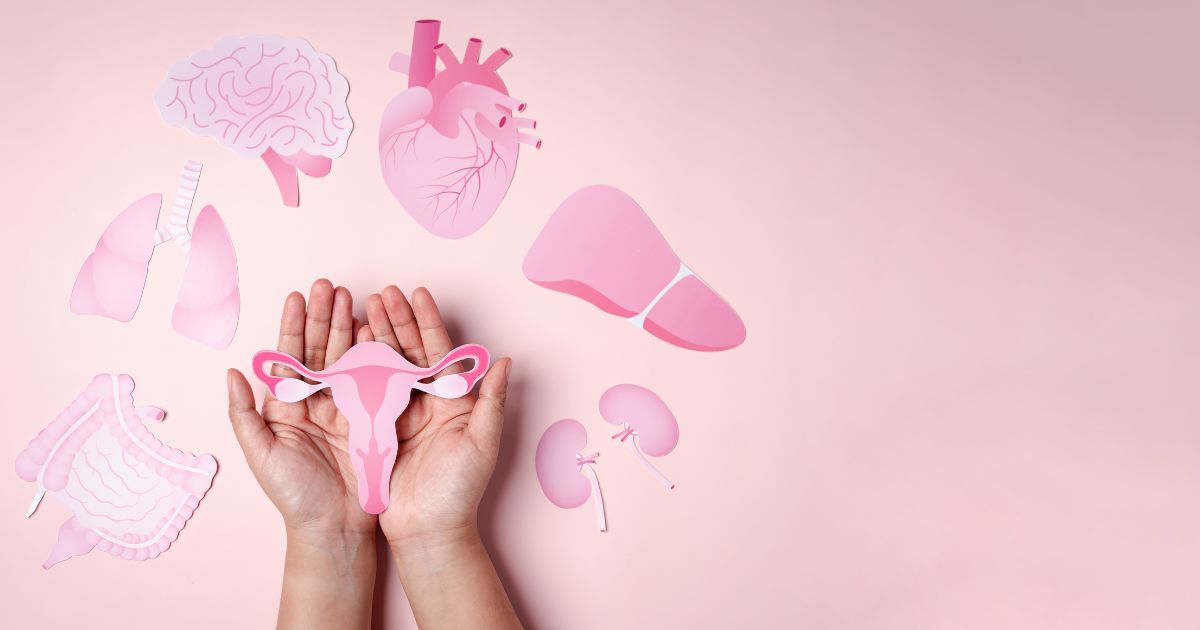
This is exactly why a holistic approach — not just treating one symptom at a time — makes all the difference in real, lasting recovery.
9 PCOS Symptoms Indian Women Most Commonly Experience
These aren't all possible PCOS symptoms — the condition has a long list. But these are the ones that come up most frequently in Indian women, and the ones most likely to be brushed off or misunderstood — sometimes for years on end.
🔍 Not sure if your symptoms match PCOS? Visit PCOD House to take our free 2-minute PCOD Self-Check — no diagnosis, no data sharing. Just clarity.
Symptom 1
Irregular Periods (or No Periods At All)
This is usually the first symptom women notice — and the one most commonly normalised in India. How many of us have been told "irregular periods are common in Indian girls" or "it will regulate after marriage"?
In PCOS, irregular periods happen because the ovaries aren't releasing eggs in a regular pattern. Without regular ovulation, your cycle becomes unpredictable — you might have a period every 40 to 60 days, skip months entirely, or have very light spotting instead of a proper flow.
Watch for this: Cycles consistently longer than 35 days, shorter than 21 days, or wildly variable from month to month.
Symptom 2
Unexplained Weight Gain (Especially Around the Belly)
Many women with PCOS report gaining weight even when they haven't changed their diet or activity level — and the weight tends to collect around the abdomen rather than evenly across the body.
This is closely linked to insulin resistance, which is extremely common in PCOS. When your cells don't respond normally to insulin, your body compensates by producing more of it — and high insulin levels directly signal the body to store fat, particularly in the belly area.
If you've been eating carefully and exercising but the scale simply won't move — or keeps creeping up — insulin resistance could be the missing piece.
Watch for this: Weight gain that doesn't respond to diet changes, concentrating mainly around the waist.
Symptom 3
Acne That Doesn't Respond to Regular Treatment
Hormonal acne from PCOS has a very specific pattern: it tends to appear on the jaw, chin, and lower cheeks — unlike typical teenage acne that clusters on the forehead and nose. It's often deep, cystic, painful, and flares around your period (or where your period should be).
If you've tried every face wash and dermatologist-recommended cream but your acne keeps returning, it may not be a skin problem at all — it may be a hormonal one. Treating the root cause is what actually creates lasting improvement.
Watch for this: Deep, recurring jawline or chin acne that doesn't improve with topical treatments.
Symptom 4
Hair Thinning on the Scalp, Excess Hair on the Face or Body
PCOS can cause two seemingly opposite hair problems at the same time: thinning or hair fall on the scalp (starting at the crown or parting) and unwanted hair growth on the face, chest, stomach, or thighs.
Both are caused by the same thing — elevated androgens. In Indian women, this is especially distressing given cultural values around hair. The medical term for excess facial or body hair is hirsutism, and it affects a significant percentage of Indian women with PCOS.
Watch for this: Thinning at the crown alongside new hair growth on the chin, upper lip, or abdomen.
Symptom 5
Darkening of Skin Folds (Acanthosis Nigricans)
Have you noticed darker, slightly velvety patches of skin at the back of your neck, under your arms, or in the groin area? This is called acanthosis nigricans — a classic visual sign of insulin resistance that very commonly accompanies PCOS.
In India, this is frequently mistaken for a hygiene issue or a reaction to deodorant. It is neither. It is your skin responding to chronically high insulin levels — a visible signal your body is sending you.
Watch for this: Dark, velvety skin patches at the neck, underarms, or groin that don't wash off.
Symptom 6
Persistent Fatigue and Low Energy
Persistent tiredness — the kind not fixed by a good night's sleep — is one of the most underreported PCOS symptoms. It's frequently chalked up to stress or anaemia, but in PCOS, fatigue has multiple overlapping causes:
- Disrupted blood sugar regulation from insulin resistance
- Poor sleep quality — PCOS significantly increases the risk of sleep apnea
- Hormonal fluctuations that drain energy throughout the month
- Subclinical hypothyroidism — thyroid issues and PCOS very commonly co-exist
Watch for this: Fatigue that persists despite adequate sleep, with no obvious explanation.
Symptom 7
Mood Changes — Anxiety, Low Mood, and Irritability
PCOS doesn't just affect the body — it has a significant impact on mental health. Women with PCOS are considerably more likely to experience anxiety, depression, and mood swings compared to women without the condition.
Some of this is directly hormonal — estrogen and progesterone influence brain chemistry and mood regulation. But some of it is also situational — living with unpredictable symptoms, weight changes, and skin concerns takes a real emotional toll, particularly in a society with strong beauty standards.
The emotional side of PCOS is rarely discussed in Indian healthcare settings, but it is just as real as any physical symptom — and it deserves equal attention.
Watch for this: Heightened anxiety, persistent low mood, or irritability that coincides with hormonal changes.
Symptom 8
Difficulty Getting Pregnant
PCOS is one of the most common causes of female infertility — but here's something crucial: having PCOS does not mean you cannot get pregnant. It means ovulation is irregular, which makes conception harder without the right support.
Many women only discover their PCOS diagnosis when trying to conceive and it takes longer than expected. With proper management — lifestyle changes, nutrition, and sometimes medical support — most women with PCOS are able to conceive naturally or with assistance. The earlier PCOS is addressed, the better fertility outcomes tend to be.
Watch for this: Difficulty conceiving after 6 to 12 months of trying, especially alongside irregular cycles.
Symptom 9
Bloating and Digestive Issues
This one surprises many women. Bloating, constipation, or a generally sluggish digestive system are increasingly being linked to PCOS — particularly through the gut-hormone connection. Research suggests women with PCOS may have altered gut microbiota, which can affect inflammation, insulin sensitivity, and even mood regulation.
If you regularly feel bloated even after eating healthy food, or notice your digestion shifts in sync with your cycle (or lack of one), it is worth raising with your doctor.
Watch for this: Regular bloating or constipation without an obvious food-related cause.
Recognised more than 3 symptoms from the list above?
That's a strong signal worth taking seriously. Visit PCOD House to take the free self-check — designed specifically for Indian women — and get personalised diet and lifestyle guidance instantly.
Why Are PCOS Symptoms So Often Missed in India?
This is a question I hear constantly in my clinic. The honest answer involves several overlapping failures — cultural, systemic, and awareness-related.
Symptom Normalisation
"Irregular periods are common in Indian girls." "A little facial hair is normal in our family." These well-meaning cultural narratives cause women to dismiss symptoms that warrant real attention — often for years.
Over-Reliance on Ultrasound
Many doctors diagnose or rule out PCOS based solely on a scan. But PCOS can exist without visible cysts — and cysts can appear in women without PCOS. Bloodwork, symptoms, and clinical history must all be considered together.
Limited Consultation Time
Most gynaecology appointments in India last 5 to 10 minutes. That's rarely enough time to connect a constellation of symptoms to a single hormonal root cause.
Low Awareness
Many women simply don't know that jawline acne, belly weight, and irregular periods could all be connected. Awareness is the single most powerful first step toward early diagnosis.
How Is PCOS Actually Diagnosed?
The most widely used diagnostic standard is the Rotterdam Criteria, which requires at least 2 of these 3 features to be present for a PCOS diagnosis:
- Irregular or absent periods (indicating irregular ovulation)
- Elevated androgens — either confirmed in bloodwork or visible as acne or hirsutism
- Polycystic ovaries on ultrasound — 12 or more follicles in an ovary, or enlarged ovarian volume
A complete PCOS workup should include the following tests. If your doctor hasn't ordered these, it is entirely appropriate to ask:
| Test | What It Checks | Why It Matters for PCOS |
|---|---|---|
| Hormonal Panel | FSH, LH, Estradiol, Testosterone, DHEA-S, Prolactin | Identifies androgen excess and hormonal imbalance |
| Fasting Insulin & Glucose | Blood sugar and insulin response | Detects insulin resistance — present in ~70% of PCOS cases |
| Thyroid Panel | TSH, T3, T4 | Thyroid disorders very commonly co-exist with PCOS |
| AMH | Anti-Müllerian Hormone | Assesses ovarian reserve; typically elevated in PCOS |
| Pelvic Ultrasound | Ovarian morphology | One of three Rotterdam criteria; transvaginal scan is more accurate |
💡 If you've only had an ultrasound and been told "you're fine" but symptoms persist — ask specifically for the full hormonal panel. At PCOD House, I review your complete picture — not just your scan. Book a consultation on WhatsApp →
What Can You Actually Do About It?
Here's the genuinely good news: PCOS is very manageable. It cannot be cured in the traditional sense, but its symptoms can be dramatically reduced — and most women with PCOS go on to regulate their cycles, manage their weight, and conceive, with the right support.
Here is what actually works, based on the three-pillar approach I use at PCOD House:
1
Understand Your Individual PCOS Pattern
PCOS is not one-size-fits-all. Some women have lean PCOS, others have insulin-dominant PCOS, others have adrenal PCOS. The symptoms vary and so does the management. A proper assessment with a PCOS specialist is the essential first step — everything else flows from there.
2
Adjust Your Diet — Specifically for PCOS
A PCOS-friendly diet is not about eating less — it's about eating smarter for hormonal balance. Reducing refined carbohydrates and sugar lowers insulin, while increasing protein and fibre steadies blood sugar. An Indian diet can absolutely be PCOS-friendly — it's about choosing the right versions of your everyday foods.
3
Move Your Body — But Not Excessively
Exercise significantly improves insulin sensitivity in PCOS. The key is consistency over intensity. Overtraining or excessive cardio can actually worsen hormonal imbalance. A combination of strength training 2 to 3 times per week alongside walking or yoga delivers the best results.
4
Consider Doctor-Formulated PCOS Supplementation
Certain supplements have strong clinical evidence for PCOS — including Myo-Inositol, Vitamin D, magnesium, NAC, and CoQ10. At PCOD House, PCOS Trim targets insulin resistance, weight, and cycle regularity during the day. Meta 7+ supports oxidative stress repair and mitochondrial recovery overnight. Together as the PCOD/PCOS Reset Kit, they provide 24-hour metabolic support — formulated specifically for Indian women, clinically backed, and free from harmful fillers.
5
Don't Ignore the Emotional Side
Stress management is not optional in PCOS — it is a medical necessity. Chronic stress elevates cortisol, which worsens insulin resistance and disrupts ovulation further. Sleep, stress reduction, and emotional support are genuine treatment pillars in my approach at PCOD House — not afterthoughts.
Everything PCOD House provides — all in one place:
- Personalised consultation with Dr. Bhargavi, MBBS, DNB (OBG)
- Customised diet and lifestyle plan for your specific PCOS type
- Doctor-formulated supplements: PCOS Trim, Meta 7+, and the Reset Kit
- Fertility support from puberty all the way through pregnancy
- One-to-one emotional support with an anonymous option available
- 500+ patients guided · 15 countries served · 100% positive reviews
Ready to stop guessing and start understanding your hormones?
Get personalised, science-backed PCOS guidance directly from me — or explore the products I have formulated specifically for Indian women with PCOS.
Frequently Asked Questions About PCOS Symptoms in Indian Women
Can PCOS go away on its own? +
PCOS doesn't disappear on its own, but its symptoms can become very mild — or even virtually undetectable — with the right lifestyle and management. Many women find their symptoms improve significantly through consistent dietary and lifestyle changes, without needing any medication at all.
Can thin women have PCOS? +
Absolutely. About 20% of women with PCOS are at a normal or low body weight. Lean PCOS is real and often goes undiagnosed precisely because women "don't look like they have PCOS." The hormonal imbalance is still present and still needs attention. PCOD House provides personalised care for all PCOS types, including lean PCOS.
Is PCOS hereditary? +
Yes, there is a genetic component to PCOS. If your mother, sister, or maternal aunt has PCOS, your risk is higher. But genetics aren't destiny — lifestyle choices significantly influence whether and how severely PCOS expresses itself in your body.
How long does it take to see improvement with PCOS lifestyle changes? +
Most women notice improvement in energy, mood, and skin within 4 to 8 weeks of consistent lifestyle changes. Cycle regulation typically takes 3 to 6 months. Fertility improvements generally take longer, depending on the individual. At PCOD House, most patients report visible changes within the first 4 to 8 weeks of their personalised plan.
Is PCOS the same as PCOD? +
These terms are often used interchangeably in India, but there is a distinction. PCOD is a broader, milder condition where the ovaries produce immature eggs. PCOS is more complex and involves significant hormonal imbalance affecting multiple body systems. All PCOS involves PCOD, but not all PCOD becomes PCOS.
When should I see a doctor for PCOS symptoms? +
Seek a proper evaluation if your periods are late by more than 2 months, you experience sudden unexplained weight gain, heavy hair fall, severe jawline acne, difficulty getting pregnant, extreme mood changes, or darkening of skin folds. You can reach Dr. Bhargavi directly on WhatsApp if you're unsure where to start.
Your Hormones Can Find Balance Again
Millions of Indian women are on the same journey — often in silence, often without proper support. PCOD House was built to change that.